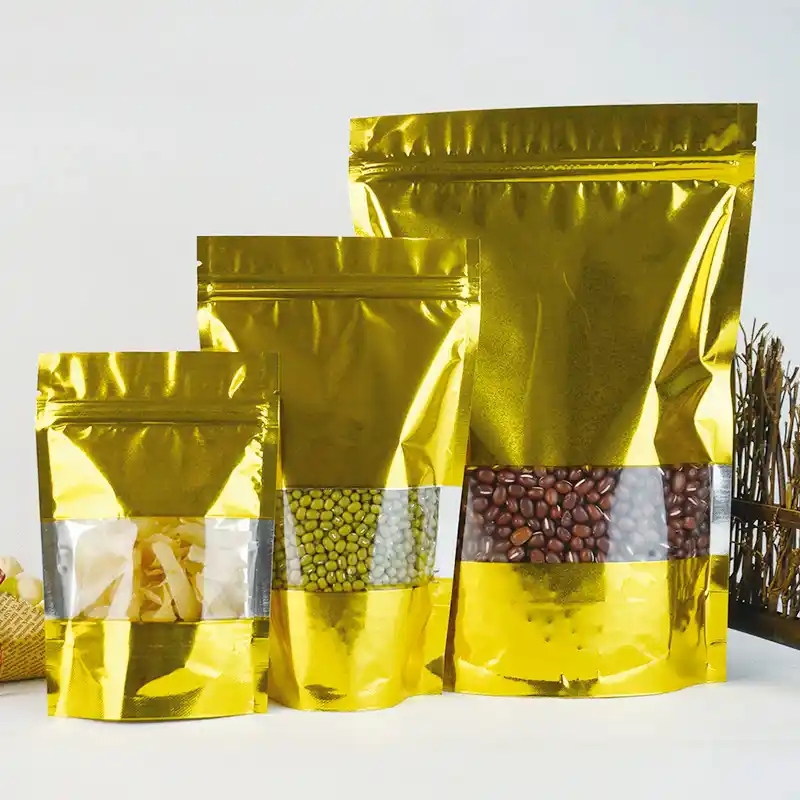
Flexible packaging polyurethane laminating adhesives are the core materials for the lamination of food, daily chemical, and pharmaceutical flexible packaging. Their aging resistance directly determines the service life and safety of the packaging products, and is also a key indicator for evaluating the bonding quality. In general, high-quality two-component polyurethane flexible packaging adhesives possess excellent comprehensive aging resistance and can be adapted to most normal temperature, conventional storage, and mild outdoor usage scenarios.
The aging resistance of this type of adhesive is mainly reflected in aspects such as heat resistance, resistance to high and low temperatures, and weather resistance. The dense and cross-linked structure formed after curing has strong stability. Under normal conditions, it can withstand temperature fluctuations and moisture erosion. Long-term use is unlikely to cause problems such as delamination, cracking, or debonding. High-quality products can undergo aging tests for more than 8,000 hours, meeting the long-term storage requirements for packaging. At the same time, it has excellent low-temperature toughness and will not harden and crack due to low temperatures. It is suitable for cold chain transportation scenarios.
However, its aging resistance has some shortcomings. Under long-term exposure to strong ultraviolet rays, high temperature and high humidity conditions, the polyurethane molecular chains are prone to degradation, resulting in aging phenomena such as yellowing of the adhesive layer and decreased bonding strength. In addition, inferior single-component adhesive has a faster aging rate due to insufficient crosslinking degree. By optimizing the raw material ratio, adding weather-resistant additives, and improving the curing process, the anti-aging ability can be significantly enhanced, further meeting the usage requirements of complex working conditions for flexible packaging.