


Send Message
Privacy statement: Your privacy is very important to Us. Our company promises not to disclose your personal information to any external company with out your explicit permission.


In order to thoroughly implement the important instruction spirit of the practice on the construction of production workers, skill power and safety production, and solidly do a good job in the 23rd national "safety production Month" activities, Xinhui employees are guided to actively tree safety development concept, and constantly improve safety awareness and safety skills. Xinhui Company held the "Xinhui Chemical 2024 Safety Skills PK Competition" on the afternoon of June 29. The safety skills...
In the dry lamination production process, uneven coating, inconsistent thickness on the left and right sides, and opposite surfaces are typical defects in the coating process. The problem manifests externally as inconsistent glossiness on the membrane surface, large differences in light transmittance and brightness, local higher strength and local softness after curing, and subsequent chain problems such as local excessive residual, non-drying, and delamination, which are important hazards...
In the dry lamination production process, slow curing, prolonged non-drying of the finished products, and continuous surface stickiness are very common technical problems. During the normal curing period, the adhesive cannot be shaped, and the feel is sticky. The peel test shows that there are cracks, softness, and low strength, which not only delay the cutting, bag-making, and delivery deadlines, but also easily cause batch delamination and poor bubble formation. These are the most common...
After the two-component polyurethane laminating adhesive is mixed, it should normally have sufficient usable time. However, during production, problems such as the glue thickening prematurely, sudden increase in viscosity, and bottom blockage and gelation often occur, resulting in the inability to apply normally in the middle, the roughening of the glue surface, and the need to discard the entire barrel. This problem is mostly not due to the quality of the glue itself, but rather caused by...
During the use of dry lamination adhesive, the formation of crusts on the surface of the adhesive, the appearance of gel particles and impurities in the adhesive is a common process problem. These foreign substances are carried by the adhesive liquid and applied onto the film surface, causing particle points, sand holes, scratches, directly damaging the appearance of the composite, and also easily causing local delamination and burst points, seriously affecting the product's yield rate. These...
In the dry lamination coating process, vertical lines, texturing, and longitudinal line scratches are very common surface defects, often occurring in high-speed production and high-viscosity coating conditions. This problem manifests as regular or irregular longitudinal lines on the film surface, significant light transmission after coating, and uneven plate surface. It not only affects the appearance grade but also causes local uneven thickness of the adhesive layer, resulting in deviation in...
During the storage of polyurethane masterbatch, phenomena such as bottom sedimentation, upper layer thin liquid, and overall stratification often occur. Many workshops mistakenly believe that the glue has deteriorated and directly scrap it, resulting in unnecessary losses. In fact, most of the stratification and sedimentation are normal resin settling and not complete failure. However, if the glue is not treated and directly mixed and used for production, it will cause uneven solid content,...
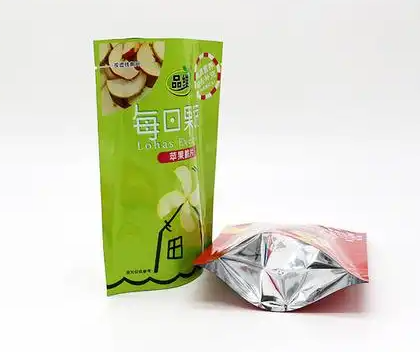
In the dry lamination production process, pinholes and micro-needle eyes in the adhesive layer are frequent and minute defects, often emerging in the production of transparent composite films and high-gloss films. They manifest as densely distributed or scattered small transparent pores on the film surface, which can be observed with the naked eye. These defects not only damage the smoothness of the appearance but also cause discontinuity in the adhesive layer and weak adhesion. During the...
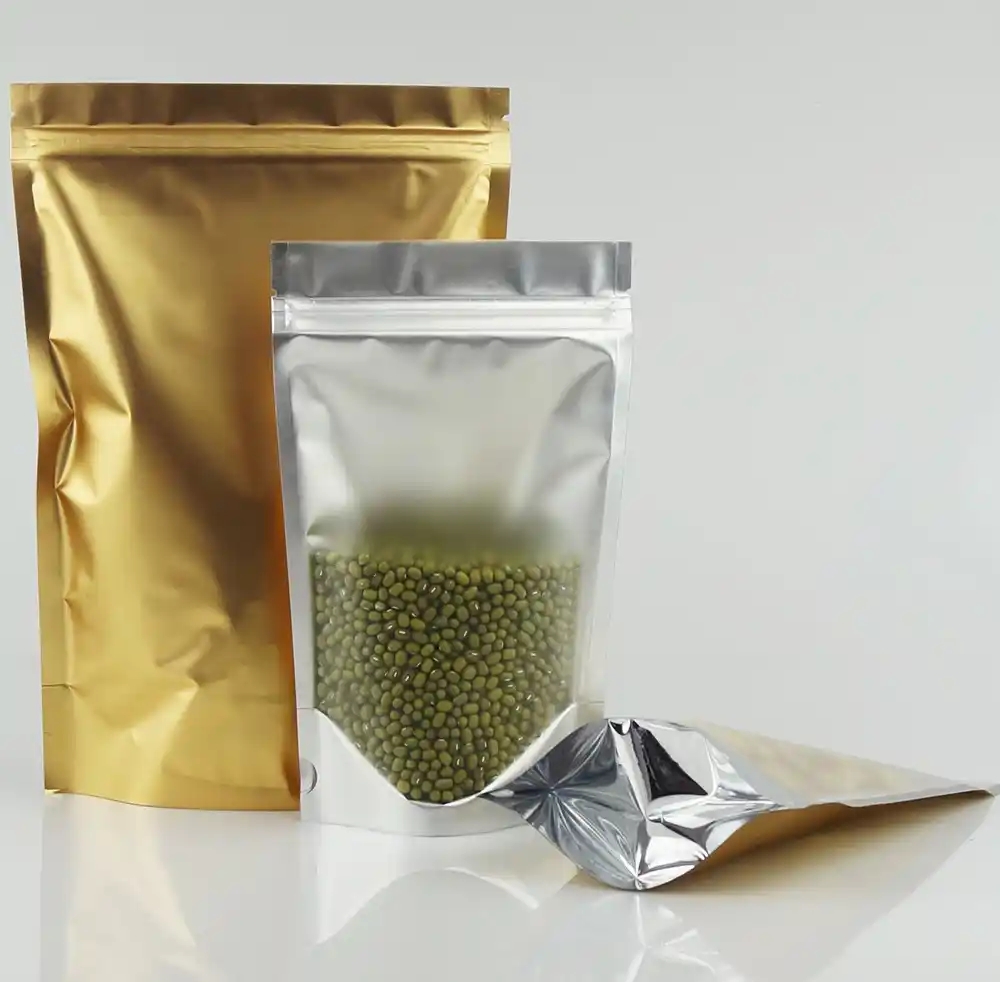
In the dry lamination production process, whitening, fogging, and insufficient transparency are common appearance defects, often occurring in transparent films and light-colored printed films products. This problem is not related to the substrate itself; it is mainly caused by turbid polyurethane adhesive systems, interface water absorption whitening, and poor film leveling. After curing, the haze increases, and the film surface becomes non-transparent, seriously affecting the appearance and...
In the dry lamination production process, the insufficient initial adhesion of polyurethane laminating adhesive is a common technical drawback. The strength of the finished product is normal after aging, but the adhesive layer has weak grip immediately after the composite is completed, which easily causes relaxation during winding, membrane layer slippage, left-right deviation, inter-layer misalignment, and leads to edge curling, warping, and inconsistent winding tension, directly affecting the...
In the production of dry laminaton for flexible packaging, excessive solvent residues are a common issue that directly affects the compliance of food packaging. Even if the polyurethane laminating adhesive itself is qualified, due to multiple factors such as raw materials, equipment, and processes, it is still prone to have high residues, leading to odors, migration, and risks such as customer factory inspections failing. The quality of the solvents is a fundamental influencing factor. The...
In the compound production of flexible packaging, there is a kind of hidden quality defect: the off-line detection strength of the finished product is up to standard completely, and there is no abnormality in curing, cutting and bag making, but after storage and standing, high-temperature transportation and long-term storage, there are some problems such as slow delamination, foaming, whitening and strength attenuation. This lagging aging failure is not an immediate process defect, but the lack...
During the winter and autumn seasons, dry lamination polyurethane adhesive is prone to experiencing seasonal quality issues such as sudden increase in viscosity, poor leveling performance, delayed cross-linking and curing, and insufficient bonding strength. Most factories maintain stable production conditions during the summer and autumn seasons, but after the onset of winter, frequent problems such as uneven coating, slight whitening of the film surface, incomplete curing, and local interlayer...
Polyurethane laminating adhesives belong to a high-activity two-component chemical system and are extremely sensitive to storage environment, sealing conditions, and stacking temperature. Many factories have experienced batch problems such as glue not drying, bubbling, strength plummeting, and abnormal mixing ratios, which are not caused by production process errors but are instead due to improper storage of raw materials leading to premature deterioration and loss of activity, resulting in...
In the winter and autumn seasons, polyurethane laminating adhesive is prone to experiencing seasonal problems such as abnormal viscosity increase, poor leveling, slow curing, and low bonding strength. Many factories have stable production in summer and autumn, but after the onset of winter, they frequently encounter hidden defects such as uneven coating, slight whitening, incomplete drying, and local delamination. Most of these are not due to batch issues of the adhesive, but rather due to the...
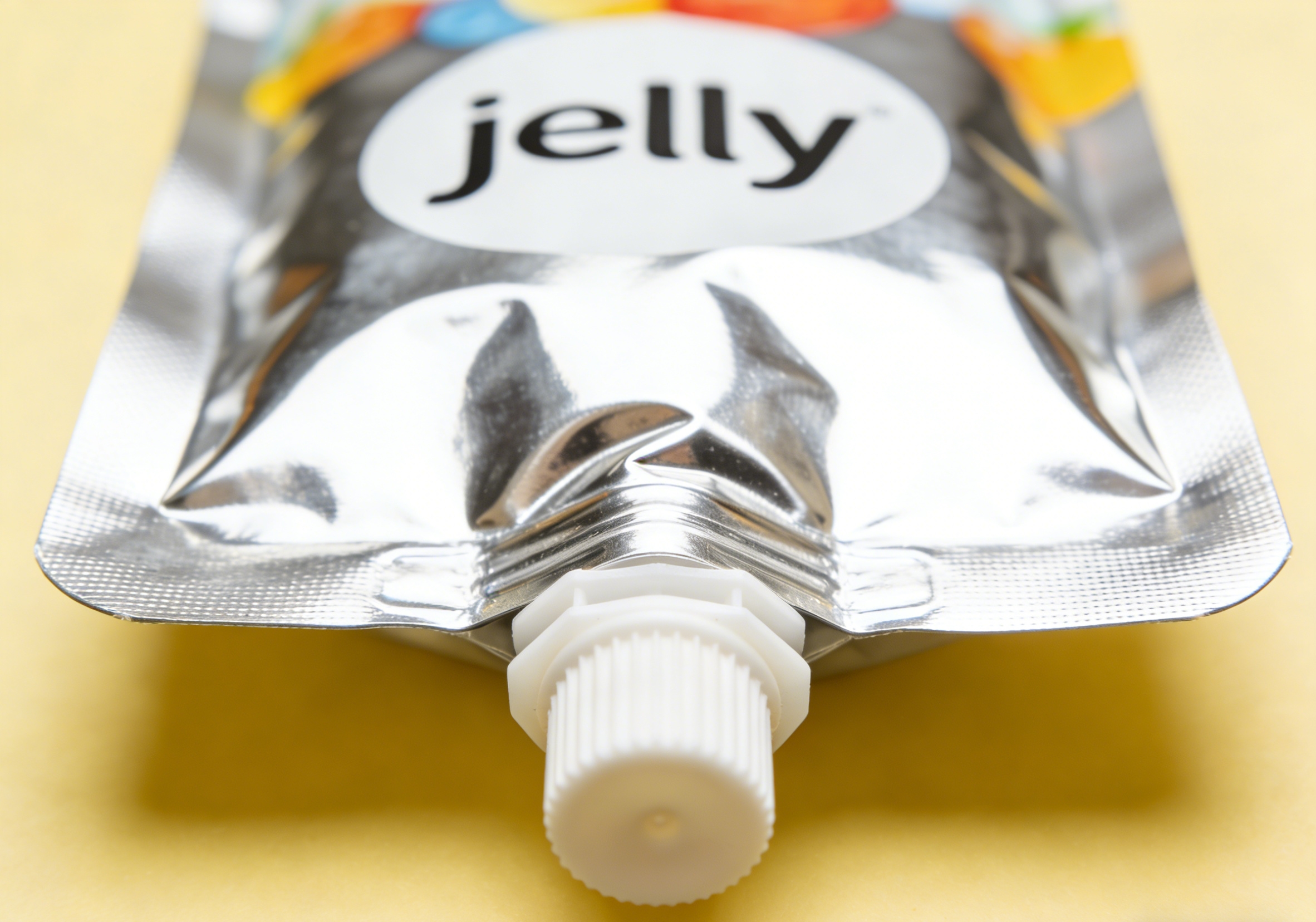
Adaptation Issues and Rectification Solutions of Polyurethane Laminating Adhesive and Ink
In the dry lamination production of flexible packaging, the poor compatibility between ink and polyurethane laminating adhesive is a hidden core problem that leads to ink leakage, color fading, printing plate smudging, and re-adhesion after curing. Many batch failures are not due to the quality of the adhesive, but rather conflicts between the ink system, solvent system and the adhesive layer reaction. After printing and composite, ink layer migration, background color smearing, printing plate...
In the solvent-based polyurethane dry lamination production process, coating orange peel, wave texture, and uneven leveling are very common appearance defects. These are manifested as uneven surface of the adhesive layer, obvious light and dark patterns on the film surface, and a wavy feeling when transparent, and the cured layer cannot self-level and repair, which not only affects the appearance of the composite but also causes local uneven thickness of the adhesive layer, resulting in...
During the mass production of solvent-free lamination, the finished films often exhibit cloud-like blemishes, block-like color differences, left-right asymmetry, and uneven brightness and darkness, mainly manifested as inconsistent light transmission on the film surface, dulling of the base color, and chaotic textures. These problems cannot be self-repaired after maturation and are prone to causing degradation in the appearance of transparent films and light-colored color-printed films, leading...
During solvent-free lamination production, the finished products often exhibit problems such as film surface blemishes, cloudy color differences, left and right alternating surfaces, and uneven blocky shading. The appearance is characterized by inconsistent local light transmission, dull base color, and chaotic textures. After curing, these issues cannot be naturally repaired, directly resulting in degradation of the appearance of transparent films and light-printed films. This problem is...
The solvent-free two-component polyurethane laminating adhesive is extremely sensitive to the accuracy of the mixing ratio. Even a slight deviation in the ratio of the main agent and the curing agent can seemingly have no impact on the appearance of the coating, but it will lay down a large number of latent quality risks. Compared to solvent-based laminating adhesives, the solvent-free system has 100% solid content and no solvent dilution buffer. Deviation in the mixing ratio will directly...
Wrinkling, vertical wrinkles, and horizontal wave wrinkles are the most common rolling defects in solvent-free composites. The initial adhesion of solvent-free laminating adhesive is weak and the curing process is slow. When the composite film enters the rolling station, it has almost no definite strength, which makes it very prone to wrinkles due to tension, pressure, and deviation in the film path. After aging, it becomes permanently shaped and cannot be repaired, which is a key pain point...
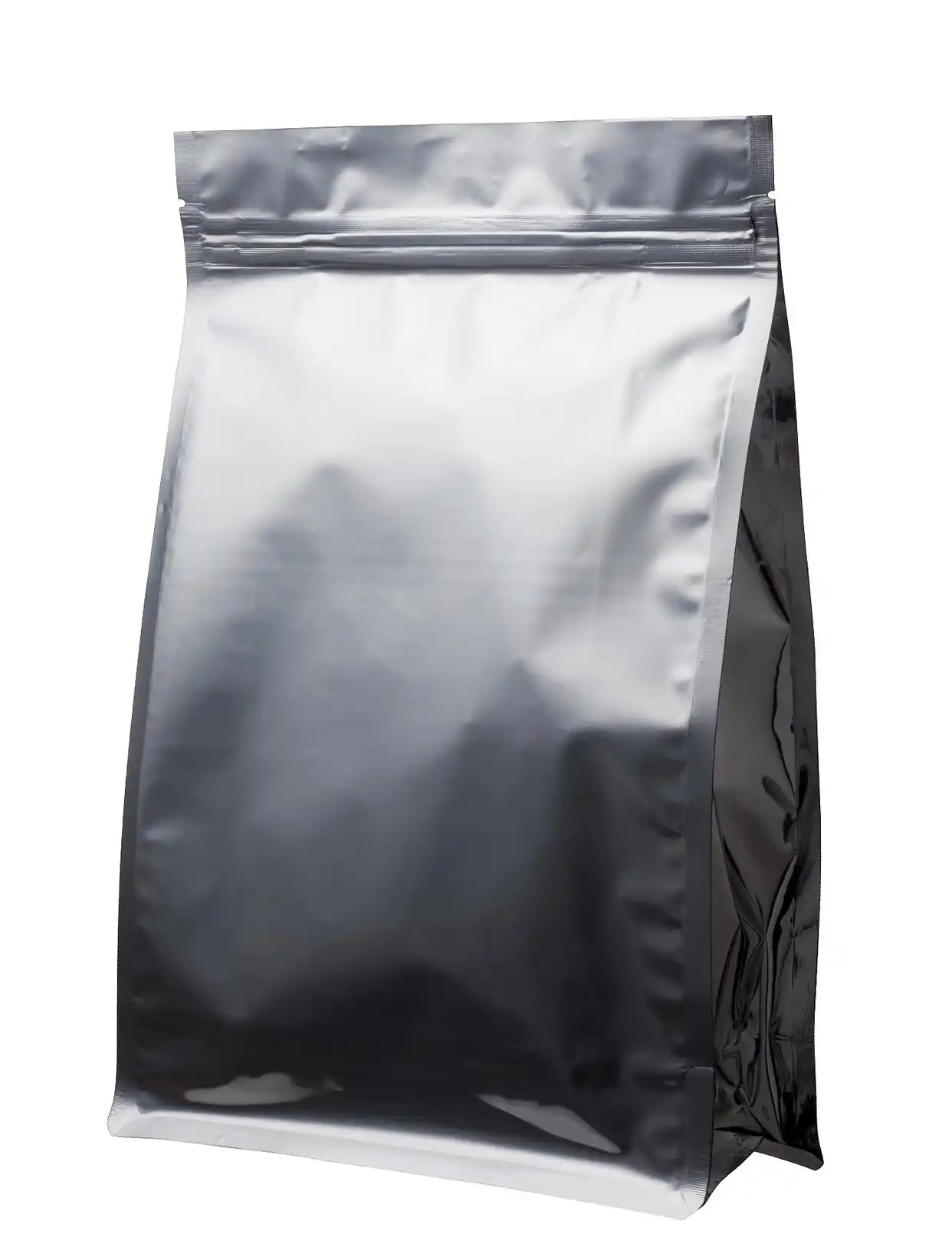
Water boiling and high-temperature steam cooking packaging are the mainstream packaging forms for cooked foods, sauces, and marinated products, which have strict requirements for the water, heat, and hydrolysis resistance of polyurethane laminating adhesives. After water boiling, problems such as blistering, delamination, whitening, and a sharp drop in peel strength occur in the composite films, which are the most common failure forms in medium-high temperature steam cooking packaging, directly...
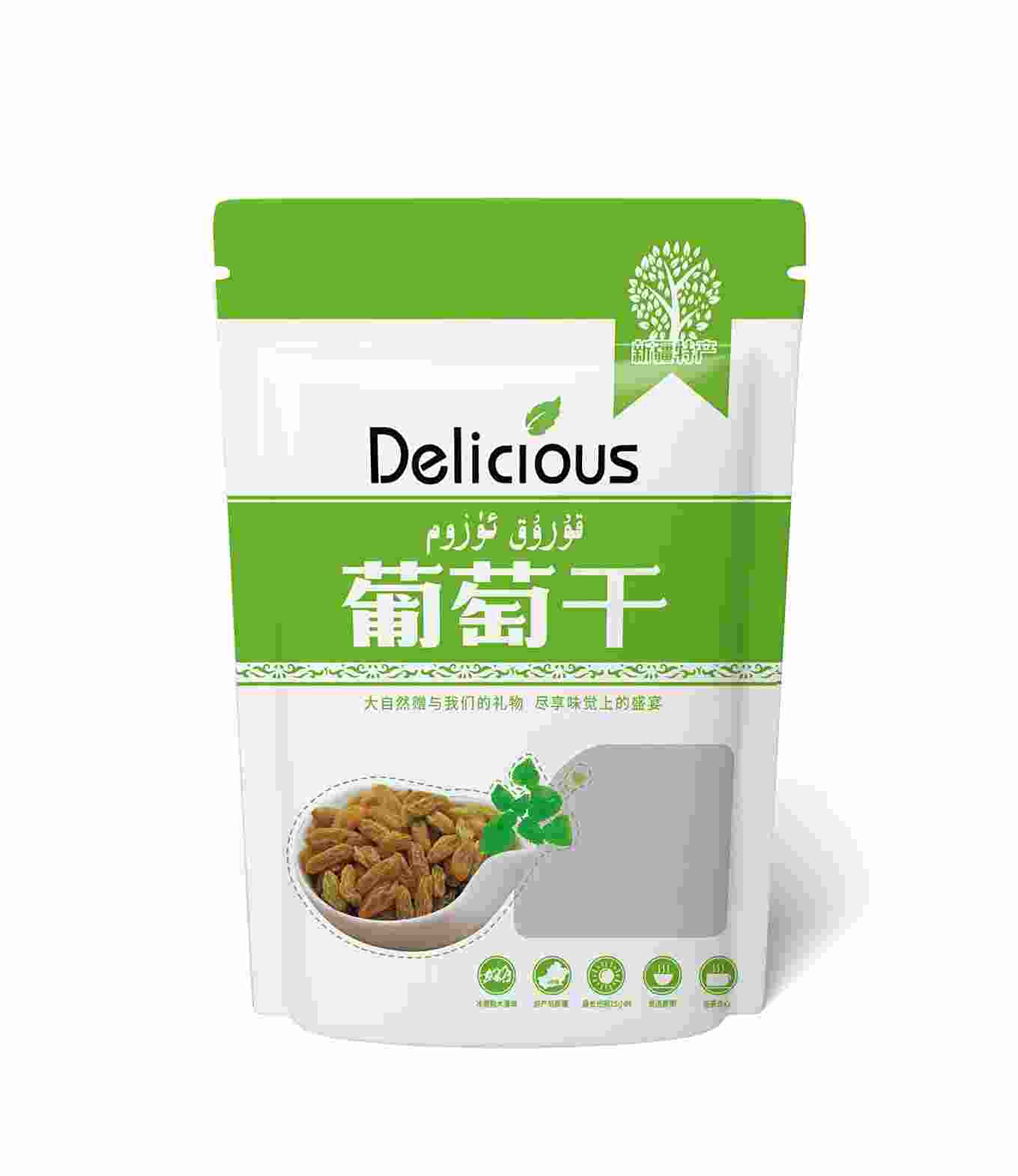
Transparent packaging and light-colored printed packaging have extremely high requirements for the yellowing resistance of the adhesive layer. After the composite film is stored for a period of time, it may exhibit problems such as yellowing, darkening, and yellowing through transmission, collectively referred to as adhesive aging yellowing. Yellowing not only damages the transparent texture and appearance grade of the packaging, but also accompanies aging of the adhesive layer, strength...
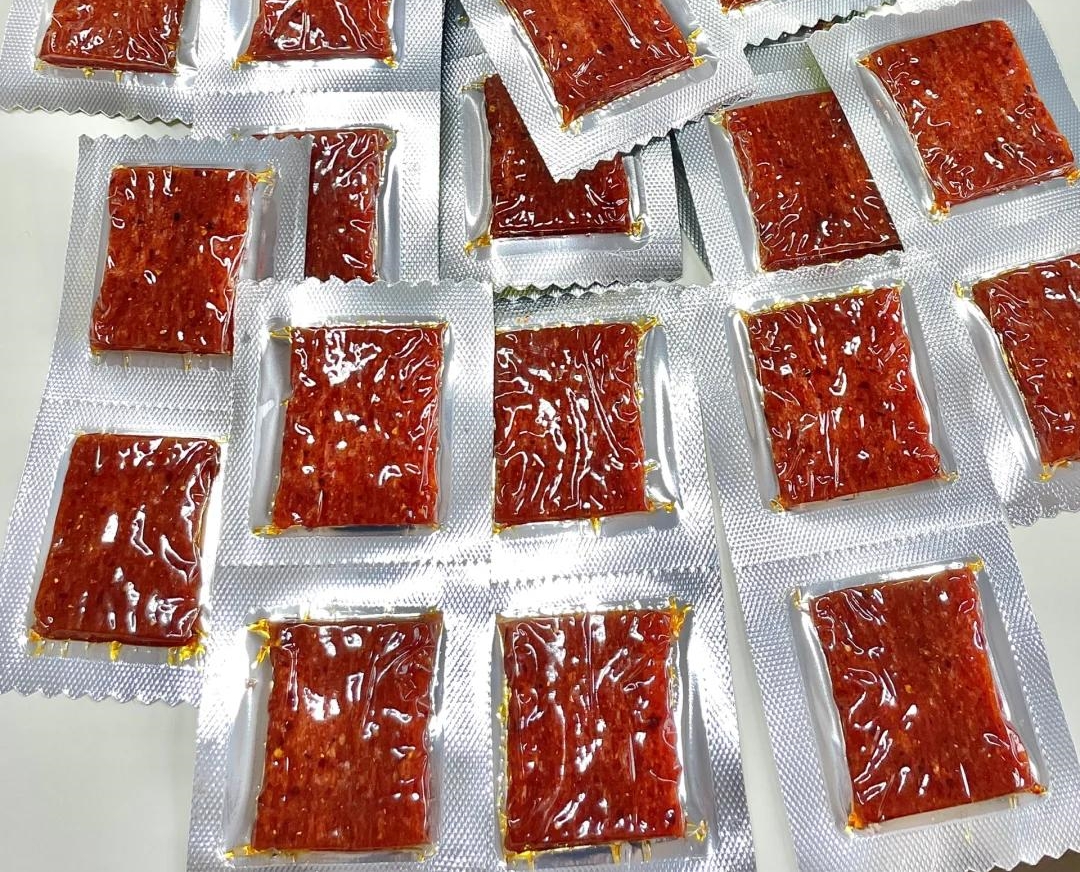
Layering, bulging at the sealing edge, and opening detachment at the sealing part are common quality issues in the post-processing of flexible packaging. The overall bonding of the finished composite film is normal, but there is local interlayer peeling at the heat-sealing edge, which not only affects the sealing performance of the packaging bag but also causes batch production failure. This problem is more likely to occur under high-temperature heat sealing and high-speed bag production...
Privacy statement: Your privacy is very important to Us. Our company promises not to disclose your personal information to any external company with out your explicit permission.
Fill in more information so that we can get in touch with you faster
Privacy statement: Your privacy is very important to Us. Our company promises not to disclose your personal information to any external company with out your explicit permission.