


Send Message
Privacy statement: Your privacy is very important to Us. Our company promises not to disclose your personal information to any external company with out your explicit permission.

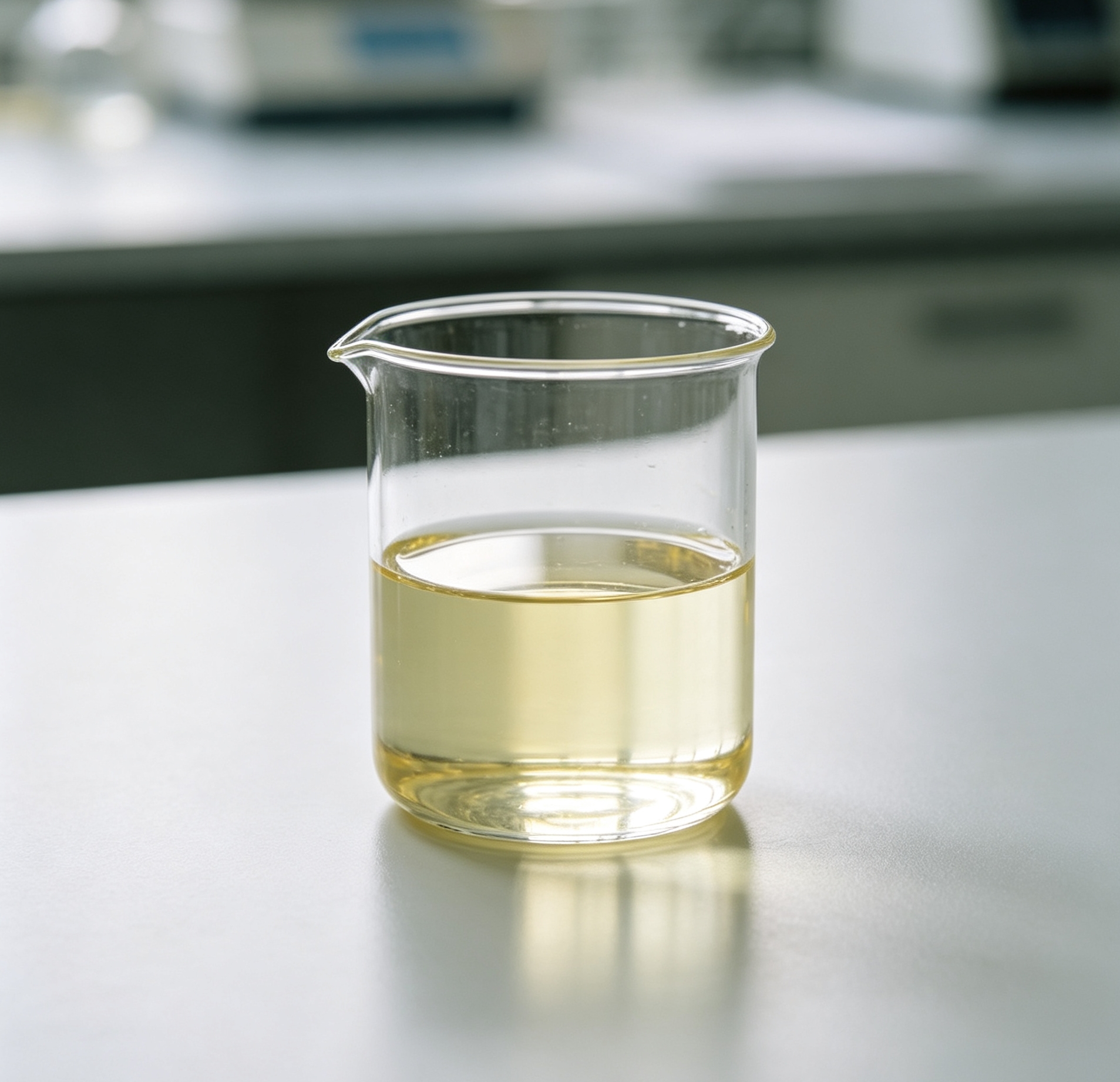
Composite bubbles are the most common appearance defect in dry, solvent-free laminating of flexible packaging, manifested as point-like, strip-like, or sheet-like voids. These bubbles cannot be eliminated on their own after curing and directly lead to scrap and rework. The cause of bubble problems is not a single factor; it mainly falls into three categories: mechanical bubble trapping, gas production from the adhesive, and abnormal process environment. It is necessary to precisely identify the...
Excessive residual solvents in flexible packaging composite production are a key compliance issue, especially for food and baby care packaging, which have strict residual limit values. If the coating and drying process of polyurethane laminating adhesives is not thorough, acetate ethyl ester and other solvents will remain inside the adhesive layer. This not only causes odors but also leads to solvent migration and contamination of the contents, resulting in product non-compliance and customer...
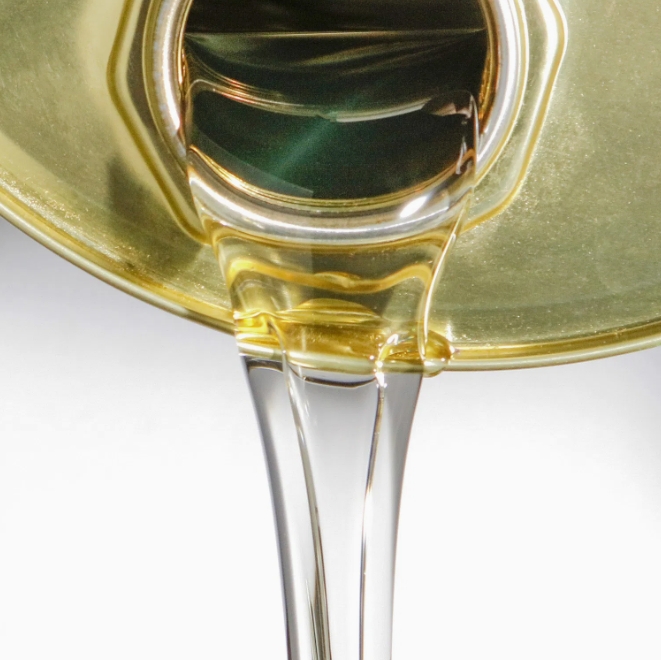
The packaging of frozen and refrigerated foods has extremely high requirements for the low-temperature tolerance of composite films. Ordinary polyurethane laminating adhesives tend to harden and become brittle in low-temperature environments, leading to problems such as bag bursting, cracking, layer separation, and a sharp drop in peel strength during storage in cold storage and transportation by cold chain. This is the most typical quality issue in frozen packaging and requires simultaneous...
Gelation, blockage and sedimentation of polyurethane glue are common abnormal problems in the production of flexible packaging lamination. Once gel particles appear in the glue solution, they will directly cause problems such as coating particles, sand spots, scratches on the mesh roller, and network blockage, resulting in poor appearance of the composite film, local lack of glue and delamination, and seriously affecting the continuity of production and the qualified rate of finished...
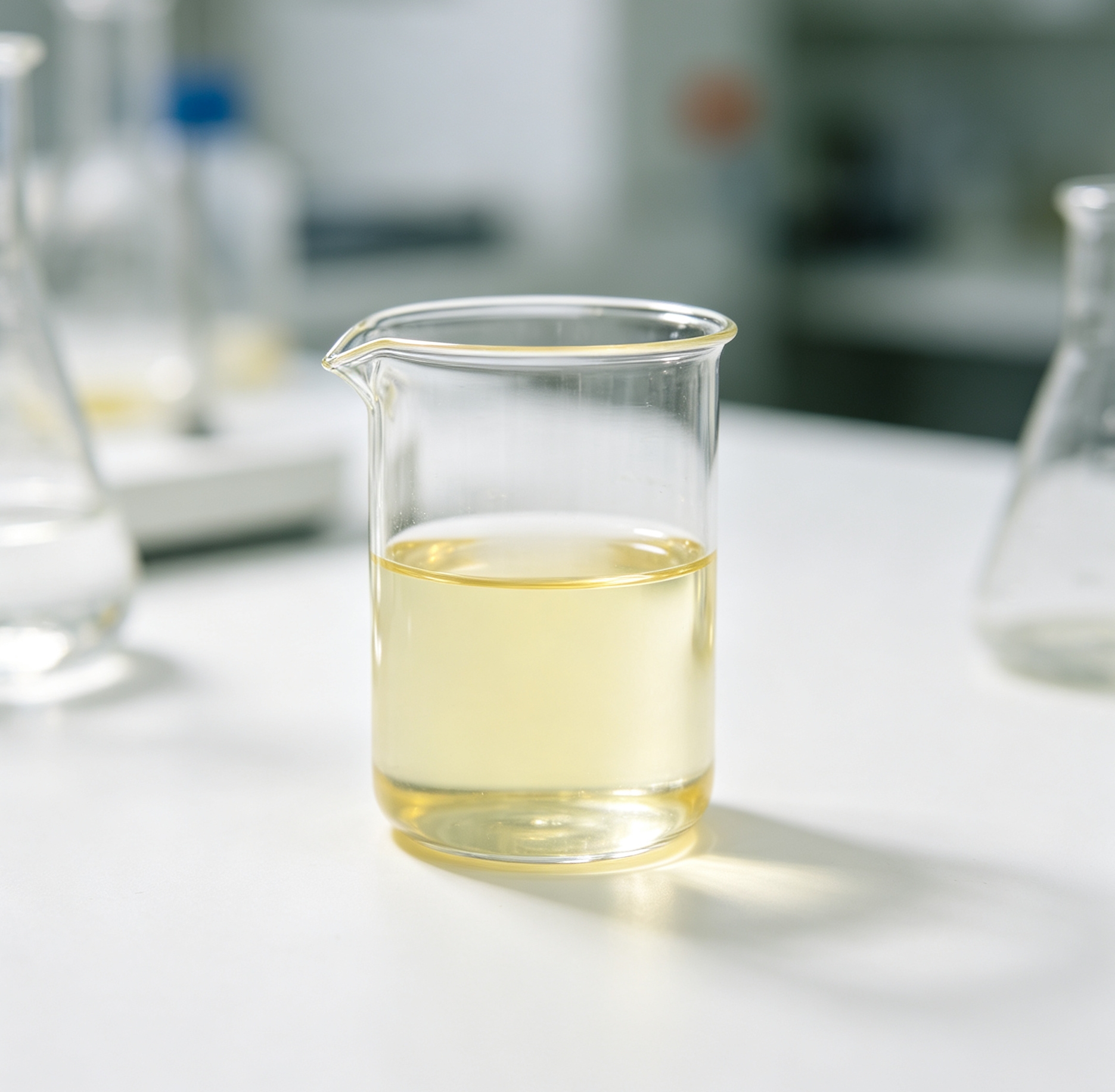
Key points for adapting polyurethane laminating adhesives in the high-speed laminating process
With the upgrading of flexible packaging equipment, high-speed dry and solvent-free laminating processes have become the mainstream production mode. The conventional low-speed adapted polyurethane laminating adhesives are prone to problems such as poor leveling, uneven coating, bubbles, and unstable adhesion under high-speed conditions. The adaptation and process adjustment of dedicated high-speed adhesives are the core key to ensuring the yield rate of high-speed production. High-speed...
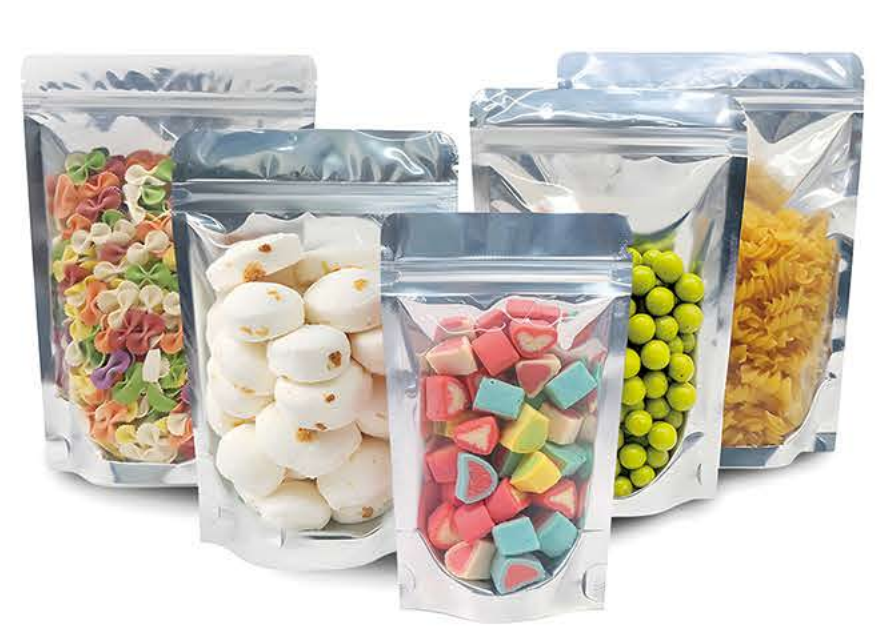
Defects In Needle Holes Of Flexible Packaging Composite Film And Their Comprehensive Solutions
The needle holes are common microscopic penetrating defects in the flexible packaging composite process, manifested as dense or scattered tiny pinholes on the film surface, which are visible to the naked eye and have obvious light transmission. The needle holes directly damage the packaging barrier property, causing air leakage, water permeation, oil leakage, and significantly reducing the shelf life of food and daily chemical products. They are a key defect that must be strictly controlled in...
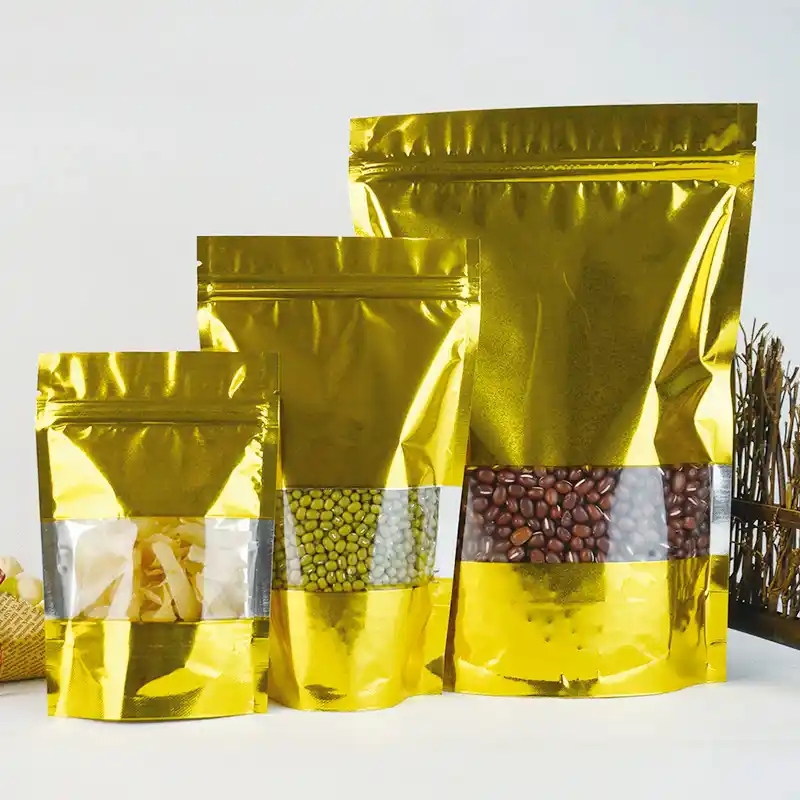
The hazards of excessive curing of polyurethane laminating adhesives and precise process control
In the production of flexible packaging, most enterprises focus on the issue of insufficient curing but tend to overlook the quality risks brought about by excessive curing. Excessive curing refers to the situation where the composite film is stored for too long at high temperatures or with excessively high temperatures, causing the cross-linking reaction of the polyurethane laminating adhesive to exceed the optimal balance point, resulting in the reverse attenuation of the material properties...
Corona treatment is a crucial process before printing and compounding of flexible packaging films. It involves high-voltage discharge to break through the surface of the films, enhancing the surface tension of the substrate, and enabling the polyurethane laminating adhesive and ink to have good wetting and anchoring capabilities. Failure of corona treatment can lead to a sudden drop in adhesion on the film surface, which is one of the core hidden causes of composite delamination, ink loss...
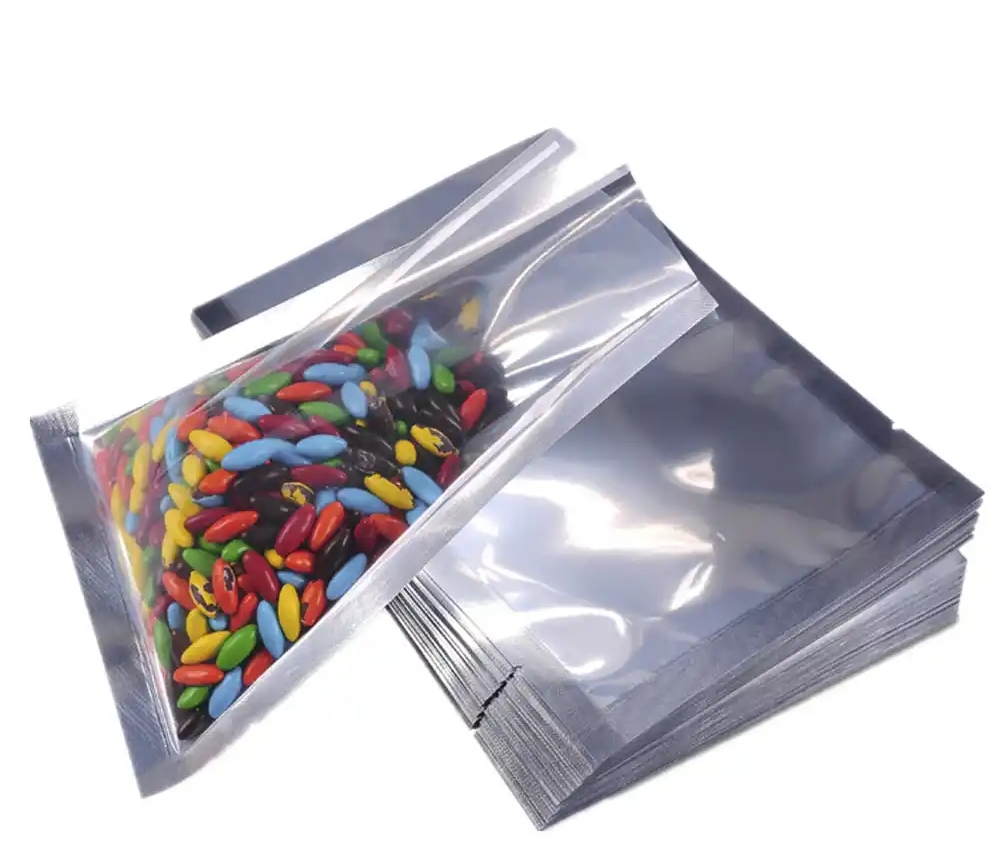
Re-adhesion, also known as re-bonding or post-adhesion, refers to the phenomenon where the film surface becomes sticky, adheres, or gets caked with powder or debris again during storage, cutting, or bag-making processes after the composite film has completed its curing and passed the inspection. This is a typical lagging quality defect. Re-adhesion not only affects subsequent processes but also easily causes the finished products to stick together and be scrapped. It is a hidden and serious...
The weak initial adhesion is a typical problem in solvent-free lamination production. The viscosity of solvent-free adhesives is high at room temperature, and the process of solvent-free wetting and penetration occurs. The bonding strength of the film material immediately after the lamination is completed is extremely low, which easily leads to shifting, warping, wrinkling during winding, misalignment of the film layer, etc., seriously affecting the stability of subsequent cutting and...
In the production of flexible packaging lamination, both solvent-free and solvent-based polyurethane laminating adhesives have their own advantages and disadvantages. Simply comparing the unit prices cannot truly reflect the production costs. From the perspectives of comprehensive consumables, energy consumption, operation and maintenance, and environmental protection investment, the cost structures of the two types of adhesives are significantly different, directly affecting the overall profit...
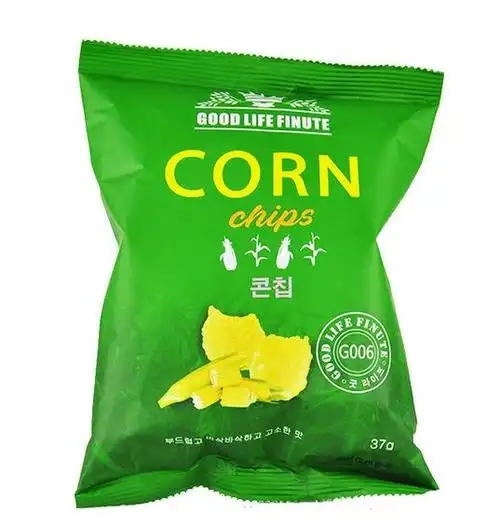
In the production of flexible packaging color printing lamination, the compatibility between polyurethane laminating adhesives and printing inks is a key factor determining the appearance, adhesion, and weather resistance of the lamination products. Many abnormal phenomena such as white spots, blistering, delamination, ink migration, and blackening in the lamination are not due to individual quality issues of the adhesives or inks, but rather are caused by the incompatibility of the two...
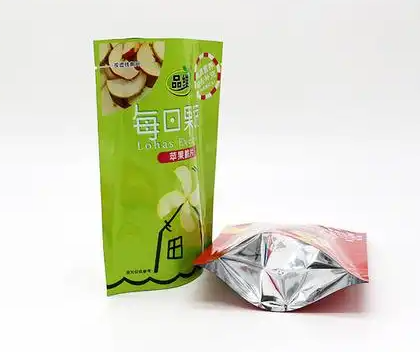
Warping and curling of lamination films occur during the winding and aging of the films, which is a very common problem in flexible packaging processing. In many cases, it is closely related to the internal stress generated during the curing of polyurethane laminating adhesives, which can affect subsequent bag-making and cutting processes, and in severe cases, directly result in the destruction of the finished products. Polyurethane adhesives will undergo volume contraction during the...
High-solid-content polyurethane laminating adhesives are upgraded products from traditional solvent-based glues. The solid content generally reaches over 75%, compared to the conventional 50% solid content glues, they have significant advantages in terms of material cost, production efficiency and environmental protection indicators. They have now become the mainstream choice for dry lamination in medium and large-sized flexible packaging enterprises. The core feature is a high-concentration...
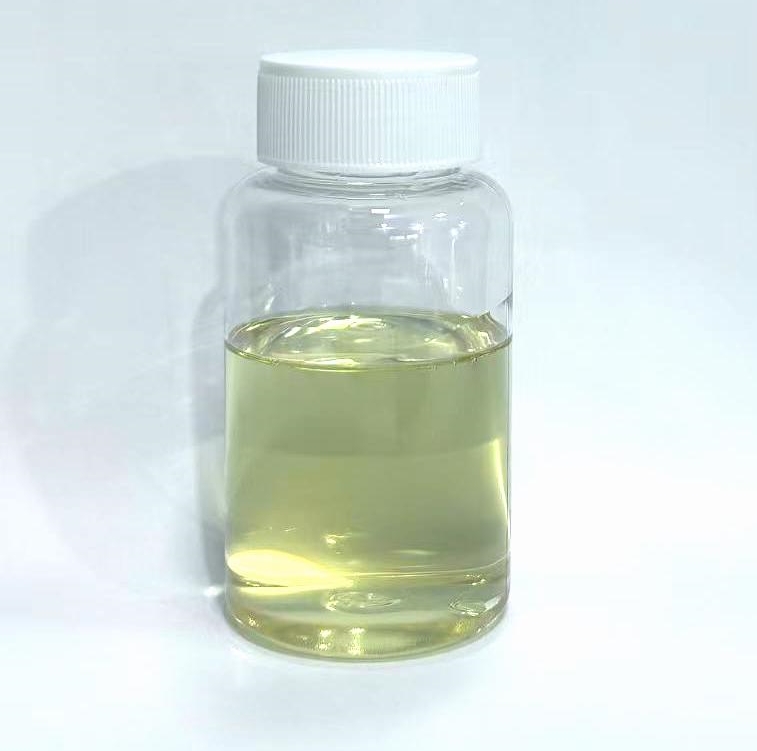
White spots, white fog, and mottling that occur during the lamination printing of films are common high-frequency appearance defects in color-printed flexible packaging, mainly concentrated in light-colored and solid-printed areas, which seriously affect the aesthetic appearance of the finished products. This problem is mostly related to the compatibility of the polyurethane laminating adhesive, the state of the printing ink, and the lamination processing environment, and is not merely a...
Curing is a key process for the cross-linking and formation of polyurethane laminating adhesives. Most flexible packaging factories adopt conventional 40℃ to 50℃ constant temperature curing, while the low-temperature curing process, with its advantages of energy saving and prevention of film material deformation, has gradually been applied to thin material and stretchable flexible packaging production. Low-temperature curing refers to the completion of glue cross-linking in an environment of...
Odor Source and Control Scheme of Flexible Packaging Polyurethane Laminating Adhesive
Packaging odor is a common complaint issue for flexible packaging products. Most of the odors come from the residual substances and by-product products of the polyurethane laminating adhesive system. Food, baby care, and daily care packaging have extremely high requirements for odor. Even a slight odor can lead to product downgrade and return. Therefore, accurately controlling the odor of the adhesive is a key link in the quality control of flexible packaging. Polyurethane adhesive odors can...
The two-component flexible packaging polyurethane laminating adhesives have a fixed shelf life, also known as the operable time, which is a key process parameter that is easily overlooked in lamination production. After the main agent and curing agent are mixed, a continuous cross-linking reaction occurs, and the viscosity of the adhesive solution will continuously increase over time. Once the applicable period is exceeded, the adhesive performance will significantly deteriorate, directly...
Oleophobic erosion is the main cause of the delamination and detachment of flexible-packed cooked foods, fried foods, and sauce products. When ordinary polyurethane adhesives are in prolonged contact with edible oils, vegetable oils, and oil-based seasonings, the oil molecules will gradually penetrate the adhesive layer, causing the gel structure to swell and soften, thereby damaging the bonding interface of the substrate. Eventually, this leads to blistering of the laminated film, a sharp...
The flexible packaging two-component polyurethane laminating adhesive consists of a main agent and a curing agent. Precise ratio matching is the foundation for the normal cross-linking and stable formation of the adhesive layer. In production, imbalanced ratios are common latent problems. Even a slight deviation from the standard ratio can lead to a series of lamination quality defects, and most of these defects will only be exposed after curing or during the storage period of the finished...
The aging resistance of the flexible packaging polyurethane laminating adhesive directly determines the long-term storage stability of the composite packaging. During the storage, transportation and end-use processes of flexible packaging, it will continuously be exposed to light, high temperature, oxygen, moisture and oil erosion. If the adhesive has insufficient aging resistance, problems such as yellowing, delamination, blistering, and attenuation of peel strength due to aging failure are...
Bubbles are a common appearance defect in the production of solvent-free polyurethane adhesive lamination. They can directly cause problems such as voids in the laminated film, decreased peel strength, and uneven light transmission, seriously affecting the qualification rate of flexible packaging products. Unlike solvent-based adhesives, the solvent-free system has no solvent evaporation channels. Once bubbles form, they are difficult to eliminate on their own, so the early process control is...
Key points for controlling solvent residues in flexible packaging polyurethane laminating adhesives
Solvent residue is a key indicator for the quality inspection of food flexible packaging, directly affecting the safety of the packaging and the odor quality. The solvent-based flexible packaging polyurethane laminating adhesive uses ethyl acetate as the diluent. If the drying and coating processes are not properly controlled, the residual solvents will remain inside the adhesive layer, causing packaging odors, contaminating the contents, and even triggering food safety inspection...
Peeling and insufficient peeling force are the most common quality problems in the production of flexibe packaging lamination. Most of these issues are closely related to the selection of polyurethane laminating adhesives, coating processes, and substrate conditions. The polyurethane laminating adhesives used in flexible packaging rely on cross-linking bonding to achieve the composite of multiple layers of films. Any improper control at any stage will lead to defects such as delamination,...
Privacy statement: Your privacy is very important to Us. Our company promises not to disclose your personal information to any external company with out your explicit permission.
Fill in more information so that we can get in touch with you faster
Privacy statement: Your privacy is very important to Us. Our company promises not to disclose your personal information to any external company with out your explicit permission.