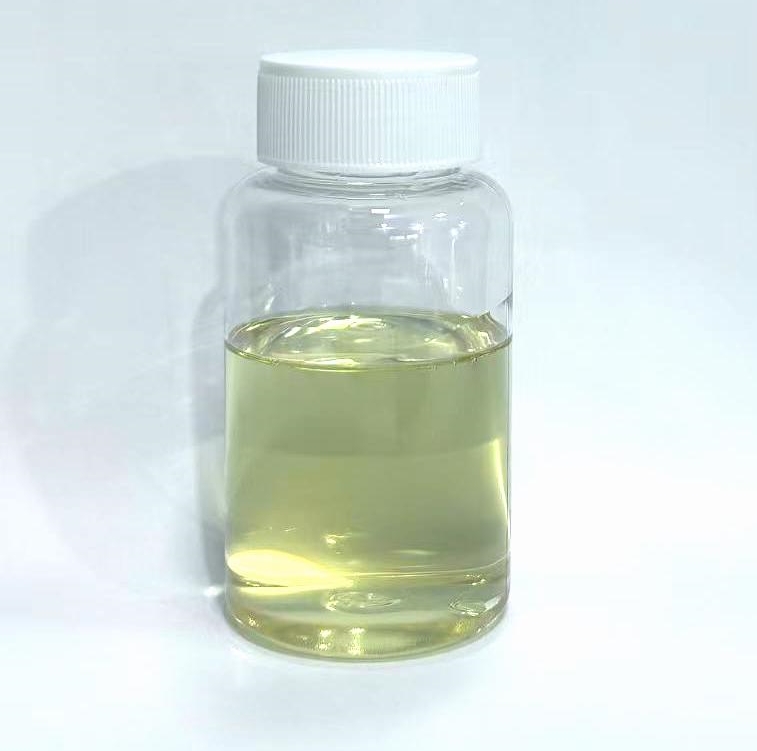
The grease resistance performance and application advantages of flexible packaging polyurethane laminating adhesive
2026,08,07
Oleophobic erosion is the main cause of the delamination and detachment of flexible-packed cooked foods, fried foods, and sauce products. When ordinary polyurethane adhesives are in prolonged contact with edible oils, vegetable oils, and oil-based seasonings, the oil molecules will gradually penetrate the adhesive layer, causing the gel structure to swell and soften, thereby damaging the bonding interface of the substrate. Eventually, this leads to blistering of the laminated film, a sharp decline in peel strength, and separation of the seal layer, among other undesirable phenomena.
The grease-resistant polyurethane laminating adhesive is designed with highly dense cross-linked molecules. By combining high-purity polyester polyols with special oil-resistant curing agents, a tightly structured three-dimensional network of the adhesive layer is formed. This structure has a low porosity and strong anti-permeation ability, effectively preventing the penetration of grease and avoiding the swelling and plasticization of the adhesive layer. It can maintain the adhesive stability for a long time and is suitable for high-oil-content food packaging conditions.
Compared to ordinary glue, the oil-resistant modified
Polyurethane Glue not only resists the erosion of animal and plant oils, but also has excellent resistance to sauces and acidic media. It can withstand long-term immersion at room temperature and high-temperature boiling and oil-soaking tests. It is widely used in composite flexible packaging such as spicy strips, braised products, fried snacks, and chili oil sauces, and is compatible with mainstream structures such as PET/PE, PET/AL/CPP.
In terms of production process, the grease-resistant adhesive must ensure complete curing and cross-linking. If the curing process is insufficient, the cross-linking density will be low, and the grease resistance failure problem will still occur. Reasonably controlling the coating amount and curing parameters, combined with a high grease resistance formula, can significantly improve the shelf life stability of oily food flexible packaging and reduce the risk of batch quality accidents.