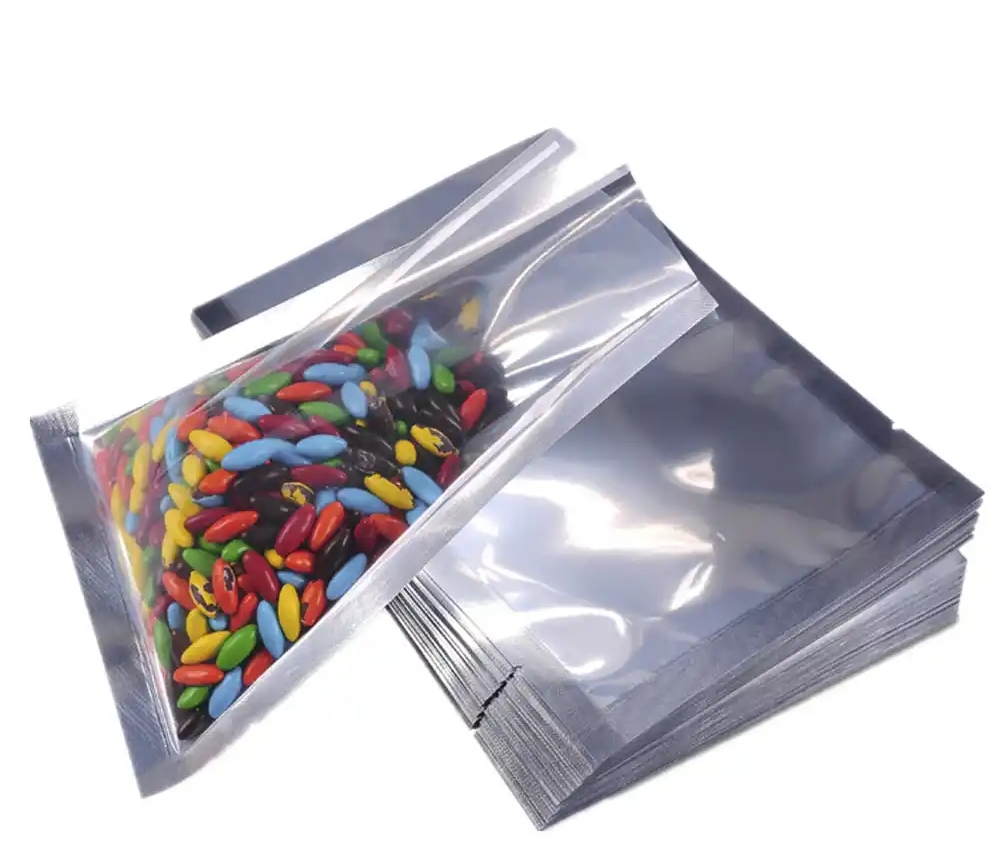
Environmentally friendly flexible packaging polyurethane laminating adhesive: The core additive for green packaging
2026,07,13
With the acceleration of the green transformation in the packaging industry, environmentally friendly polyurethane laminating adhesives for flexible packaging are gradually replacing traditional solvent-based adhesives and have become the core material for the production of flexible packaging for food, medicine, and daily necessities, aligning with the development trend of low-carbon and environmentally friendly industries.
This adhesive is mainly divided into two categories: solvent-free type and water-based type. It has abandoned the organic solvents used in traditional processes, with VOC emissions approaching zero. It has no irritating odor and eliminates the problem of harmful gas volatilization and environmental pollution at the source. At the same time, it avoids the production hazards of being flammable and explosive, significantly enhancing the safety and hygiene level of packaging production. Its production does not require a high-temperature drying process, and the energy consumption is reduced by more than 30% compared to traditional products, effectively saving production costs and reducing energy consumption.
In terms of performance, this adhesive is compatible with various flexible packaging substrates such as PE, PET, and aluminum foil. It has high bonding strength, fast curing speed, and excellent temperature resistance, moisture resistance, and anti-aging properties. It can meet the processing requirements of high-speed lamination production lines and ensure that the lamination film is tightly adhered and not prone to delamination.
With the advantages of safety, environmental friendliness, stable performance and wide adaptability, the environmentally friendly flexible packaging polyurethane laminating adhesive perfectly suits high-standard packaging scenarios for food, medicine, etc. It is a key material for the green upgrade of the flexible packaging industry and to comply with environmental protection regulations. Its future market application prospects are extremely broad.